
Supply Chain Finance Solutions for SMEs and Working Capital Growth
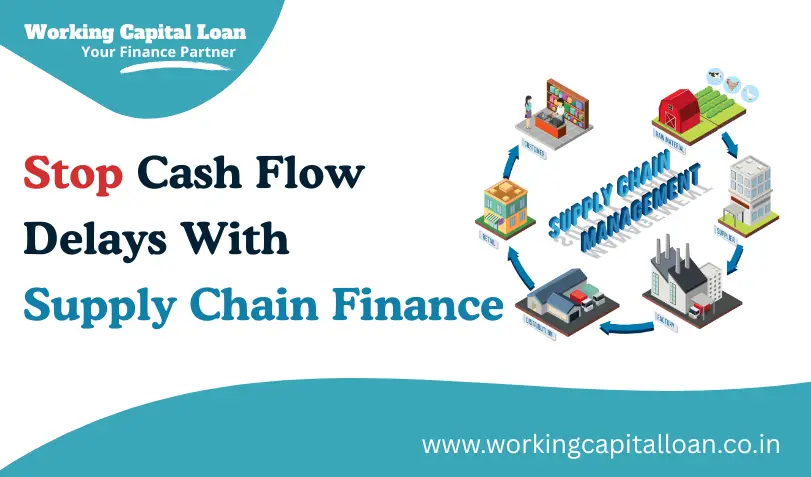
Small and medium businesses often struggle with one major problem — cash stuck in the supply chain. Orders come in, goods are delivered, and invoices are raised, but payments get delayed for weeks or even months. During this gap, SMEs still need money to buy raw material, pay workers, and run daily operations. This is where the working capital crunch starts, and exactly where supply chain finance becomes a practical solution.
Over the past few years, Supply Chain Finance has become one of the most practical tools to solve this issue. Instead of waiting for buyers to release payments, SMEs can get early funds against their approved invoices. This gives them steady cash flow, smoother operations, and the freedom to accept more orders without worrying about money getting locked.
In simple terms, Supply Chain Finance allows SMEs to keep their business moving even when payments are slow. It strengthens the entire supply chain and reduces financial pressure on small businesses that rely heavily on timely cash.
What Is Supply Chain Finance?
Recent Posts
Supply Chain Finance is a simple financial arrangement that helps businesses manage their cash flow more smoothly. It allows suppliers to receive early payment for the goods or services they have already delivered, while buyers get extra time to pay. The entire process is supported by a bank or a financing partner.
Here’s the basic idea:
When a buyer approves an invoice, the supplier doesn’t have to wait for the actual payment date. Instead, the financing partner pays the supplier early at a small discount. Later, the buyer pays the full invoice amount to the financier on the due date.
This way, both sides benefit — the supplier gets quick cash, and the buyer gets extended time to settle the dues.
In short, Supply Chain Finance removes the waiting period between raising an invoice and receiving the payment. It reduces stress on working capital and keeps the business cycle running without interruptions.
Why SMEs Face Working Capital Crunch
Most small and medium businesses operate with very limited cash reserves. Even a short delay in payments can disturb their entire working cycle. Here are the main reasons why SMEs frequently face a working capital crunch:
1. Delayed Payments from Buyers : SMEs usually supply goods on credit. Buyers take 30, 60, or even 90 days to release payments. Until the money comes in, the SME has no cash to continue daily operations.
2. Long Credit Cycles : Many industries follow long credit periods by default. If the sales cycle is slow, SMEs must keep running their business without receiving actual cash. This creates constant pressure on liquidity.
3. Limited Access to Traditional Loans : Banks often hesitate to approve loans for small businesses because of strict documentation, lack of collateral, or inconsistent financial history. As a result, SMEs struggle to get timely funds when they need them most.
4. Rising Costs of Raw Material and Labour : Production expenses increase regularly, but payment terms don’t change. Costs go up every month, while income is stuck in unpaid invoices. This imbalance tightens the working capital gap.
5. Supply Chain Disruptions : Any delay in procurement, transportation, or delivery directly affects cash flow. Even small disruptions can force SMEs to spend more money upfront while waiting for payments.
In simple words, SMEs face a working capital crunch because money goes out every day, but it doesn’t come back quickly enough. This cash gap makes growth difficult and puts continuous pressure on business owners.
How Supply Chain Finance Works
Supply Chain Finance works on a simple idea — it helps suppliers get early payment and allows buyers to pay later without affecting their cash flow. Instead of suppliers waiting for 30, 60, or 90 days for invoice clearance, they can receive funds immediately through a finance provider. Here’s how the process works step by step:
1. Supplier Delivers Goods or Services : The supplier completes an order and issues an invoice to the buyer. Normally, this payment would take weeks or months to settle. But with Supply Chain Finance, the waiting time reduces drastically.
2. Buyer Confirms the Invoice : Once the buyer verifies that the goods or services are delivered correctly, the invoice is approved. This approval is important because the finance provider relies on the buyer’s credit strength, not the supplier’s.
3. Finance Provider Pays the Supplier Early : After approval, a bank or NBFC pays the supplier early—usually within 24 to 72 hours. This gives the supplier instant working capital, improves their cash flow, and helps them continue operations smoothly.
4. Buyer Pays the Finance Provider Later : The buyer pays the finance provider on the original due date, which could be 30–120 days later. The buyer gets extended time, and the supplier gets early payment. Both sides benefit without affecting their financial stability.
How Supply Chain Finance Solves Working Capital Problems
Small and medium businesses often struggle to keep their cash flow smooth. Delays in payment can stop production, delay salaries, or even prevent businesses from taking new orders. Supply Chain Finance (SCF) directly addresses these challenges and makes working capital management easier for SMEs. Here’s how:
Quick Access to Cash : With SCF, suppliers can get immediate funds against approved invoices. Instead of waiting weeks or months for payment, SMEs receive money quickly from the finance provider. This instant cash helps them continue production, pay workers, and manage day-to-day operations without interruption.
Reduced Dependence on Costly Loans : Traditional loans often require extensive documentation, collateral, and long approval times. SCF removes most of these hurdles. SMEs no longer need to rely heavily on expensive short-term loans. This reduces financial stress and simplifies working capital management.
Stronger Supplier–Buyer Relationship : SCF benefits both sides. Buyers can extend payment timelines, giving themselves flexibility. Suppliers, meanwhile, receive early payments. This improves trust, strengthens the business relationship, and encourages smoother transactions along the supply chain.
Better Cash Flow Predictability : When SMEs use SCF, cash flow becomes more predictable. Businesses can plan their purchases, production schedules, and payroll without worrying about delayed payments. A stable working capital cycle also helps in budgeting and financial forecasting.
Lower Financing Cost : The cost of financing in SCF is usually lower than traditional loans because the risk is assessed based on the buyer’s credit rating, not the supplier’s. This makes early payment affordable and reduces overall financing expenses, allowing SMEs to save money while keeping operations running efficiently.
By providing quick access to funds, reducing reliance on traditional loans, strengthening buyer-supplier relationships, stabilizing cash flow, and lowering financing costs, Supply Chain Finance effectively eases the working capital crunch for SMEs.
Digital Supply Chain Finance: A Game Changer
In recent years, digital platforms have transformed the way Supply Chain Finance works. Traditional SCF required manual processes, paperwork, and multiple approvals, which could take days. Digital SCF solutions, however, make the process faster, transparent, and more efficient.
Instant Invoice Approval : Digital SCF platforms allow suppliers to submit invoices online. The system automatically verifies the invoice and approves it quickly. This speeds up early payments, helping SMEs get working capital instantly.
Faster Payments : Once the invoice is approved, the finance provider transfers funds to the supplier within 24–72 hours. This ensures that SMEs do not face cash crunches and can maintain smooth operations.
AI-Based Risk Assessment : Modern digital SCF uses AI and advanced analytics to assess risk. The buyer’s creditworthiness is evaluated in real-time, making the process safer and reducing dependency on traditional collateral or manual checks.
Better Transparency : Both buyers and suppliers can track payments, approvals, and pending invoices in real-time. This transparency builds trust and strengthens business relationships, reducing disputes and delays.
Accessibility for SMEs : Digital platforms make SCF accessible to more SMEs, including those in smaller towns or remote areas. Businesses that previously couldn’t avail traditional finance options can now benefit from early payments and improved cash flow.
Digital Supply Chain Finance is revolutionizing how SMEs manage their working capital. With instant approvals, AI-powered risk assessment, and faster payments, SMEs can overcome cash flow challenges more effectively than ever before.
Supply Chain Finance vs Traditional Working Capital Loans
When SMEs face cash flow challenges, they often think about loans to meet their working capital needs. However, Supply Chain Finance (SCF) works very differently from traditional loans, offering distinct advantages.
1. Approval Time
- Traditional Loans: Banks often take days or weeks to approve a working capital loan. Documentation, collateral, and credit checks can slow the process.
- Supply Chain Finance: SCF approval is faster. Once invoices are verified by the buyer, the finance provider can release funds within 1–3 days. SMEs get money quickly, keeping operations smooth.
2. Documentation and Collateral
- Traditional Loans: Banks usually require extensive paperwork, collateral, and sometimes personal guarantees. This can be a barrier for small businesses.
- Supply Chain Finance: SCF relies primarily on the buyer’s creditworthiness, not the supplier’s collateral. Minimal documentation is needed, making it easier for SMEs to access funds.
3. Financing Cost
- Traditional Loans: Interest rates may be higher for small businesses with limited credit history.
- Supply Chain Finance: Financing cost is often lower because risk is based on the buyer’s rating. Early payments become affordable without stressing the SME’s budget.
4. Flexibility
- Traditional Loans: Once a loan is approved, it is fixed in amount and terms. Early repayment or changes may be difficult.
- Supply Chain Finance: SMEs can use SCF flexibly for multiple invoices as needed. They only pay for what they use, making it a scalable solution.
5. Impact on Working Capital
- Traditional Loans: While they provide funds, traditional loans do not solve the delay in payment cycles. SMEs still face cash flow gaps if buyers delay payments.
- Supply Chain Finance: SCF directly addresses the working capital crunch by converting invoices into immediate cash. This stabilizes the cash flow cycle and keeps businesses operational.
While traditional working capital loans provide funds, Supply Chain Finance is a faster, cost-effective, and flexible solution. By leveraging buyer credit and digital processes, SCF helps SMEs manage cash flow efficiently, reduce financial stress, and maintain smooth business operations.
Key Benefits of Supply Chain Finance for SMEs
Small and medium businesses face constant challenges with cash flow and working capital. Supply Chain Finance (SCF) offers multiple benefits that directly address these challenges. Here are the key advantages:
1. Improved Liquidity : SCF allows SMEs to convert their invoices into immediate cash. This ensures that businesses have enough funds to pay suppliers, cover salaries, and manage day-to-day operations without waiting for buyer payments.
2. Faster Working Capital Turnover : By receiving early payments, SMEs can maintain a healthy working capital cycle. This helps them invest in production, purchase raw materials, and fulfill more orders, accelerating business growth.
3. Reduced Financial Stress : With SCF, businesses do not have to depend heavily on expensive short-term loans. Quick access to funds reduces the pressure of delayed payments and makes cash flow predictable.
4. Strengthened Supplier–Buyer Relationships : SCF allows buyers to extend payment terms while ensuring suppliers get paid early. This builds trust, improves collaboration, and strengthens relationships along the supply chain.
5. Lower Financing Costs : Since SCF funding is often based on the buyer’s credit rating, the cost of financing is generally lower than traditional loans. SMEs can access working capital affordably, keeping operational costs manageable.
6. Business Stability and Growth : With consistent cash flow and predictable working capital, SMEs can focus on expanding their business, taking on larger orders, and exploring new markets without worrying about financial bottlenecks.
Supply Chain Finance helps SMEs manage working capital efficiently, maintain smooth cash flow, reduce financial stress, and build stronger relationships. It is a practical solution for small businesses looking to grow while keeping their operations stable.
Real-World Examples :
Seeing how Supply Chain Finance (SCF) works in real-life can help SMEs understand its practical benefits. Here are a few examples:
1. Manufacturing SME : A small manufacturing company supplies parts to a large automobile firm. Normally, they would have to wait 60–90 days to get paid. With SCF, the company receives payment within 48 hours of invoice approval. This allows them to buy raw materials and pay workers on time, keeping production smooth.
2. Trading Business : A trading SME dealing in consumer goods faces delays in payments from multiple retailers. Using SCF, the business converts its approved invoices into immediate cash. They can place new orders with suppliers without worrying about cash shortages, expanding their business efficiently.
3. Export-Import SME : An SME exporting textiles often experiences long delays in international payments. By leveraging SCF, they receive early funds for shipped goods, which allows them to manage local operations, pay suppliers, and prepare new orders without disruption.
Key Takeaway : These examples show that SCF reduces financial stress, speeds up cash flow, and allows SMEs to focus on growth instead of waiting for payments. Any business facing delayed invoices can benefit from this solution.
Who Should Use Supply Chain Finance?
Not every business faces the same cash flow challenges, but Supply Chain Finance (SCF) can be especially helpful for certain types of SMEs. Here are the businesses that can benefit the most:
1. Manufacturing Businesses : Manufacturers often face delays in receiving payments from distributors or large buyers. SCF provides quick access to cash, allowing them to purchase raw materials, pay workers, and maintain production schedules smoothly.
2. Trading and Distribution Companies : Traders dealing with multiple retailers frequently experience late payments. SCF helps them convert approved invoices into immediate cash, ensuring timely stock purchases and uninterrupted operations.
3. Exporters and Importers : Businesses involved in international trade often have longer payment cycles. SCF ensures early funds for exported goods, helping SMEs manage local expenses, vendor payments, and production of new orders.
4. Supplier-Heavy Businesses : Any SME that relies on multiple vendors and suppliers can benefit. Early access to funds helps maintain good relationships with suppliers, ensures timely payments, and prevents disruption in the supply chain.
5. Businesses Looking to Grow : SMEs planning to expand operations or take larger orders can use SCF to maintain smooth cash flow. Instead of waiting for payments to arrive, they can reinvest in production, workforce, and new opportunities.
Supply Chain Finance is ideal for SMEs that face delayed payments, long credit cycles, or rapid growth needs. It is a flexible tool that helps businesses maintain steady working capital, improve cash flow, and focus on growth without financial interruptions.
Final Thoughts :
Managing working capital is one of the biggest challenges for SMEs. Delayed payments, long credit cycles, and limited access to loans often create cash flow problems that can affect growth and daily operations.
Supply Chain Finance (SCF) provides a practical solution. By converting approved invoices into early payments, SCF ensures that SMEs have steady cash flow, reduced financial stress, and the flexibility to grow their business. It strengthens supplier–buyer relationships, lowers financing costs, and improves overall working capital management.
With digital SCF platforms, the process is now faster, safer, and accessible to more businesses than ever before. SMEs that adopt Supply Chain Finance can focus on scaling operations, fulfilling more orders, and maintaining smooth operations without worrying about delayed payments.
In short, Supply Chain Finance is not just a financial tool — it is a growth enabler for SMEs, helping them overcome working capital crunches and achieve stability and success.
FAQs: Supply Chain Finance for SMEs
Supply Chain Finance is a solution that allows suppliers to get early payment for approved invoices while giving buyers extra time to pay. It helps SMEs manage working capital efficiently and maintain smooth cash flow.
SCF converts approved invoices into immediate cash. This gives SMEs access to funds without waiting for buyers to pay, reducing financial stress and improving liquidity.
SCF is useful for manufacturing businesses, trading companies, exporters, importers, and any SME that relies heavily on suppliers or faces delayed payments.
Yes. SCF costs are usually lower because the risk is based on the buyer’s credit rating, not the supplier’s. This makes early payments affordable and reduces reliance on expensive working capital loans.
Absolutely. Digital SCF platforms speed up invoice approval, provide real-time tracking, and use AI-based risk assessment. This makes the process faster, safer, and more accessible for SMEs.
Recent Posts
Contact Us
1204 GD – ITL Building, B-08,
Netaji Subhash Place, Delhi-110034
Email: ceo@nkbkredit.com
Phone: +91 7503211000, +91 9654981031
Services
Important Links
Disclaimer
This website functions as a working capital–focused advisory channel supporting individuals and businesses seeking structured funding solutions. Advisory, documentation, and lender coordination services are provided by NKB Kredit Solutions Pvt. Ltd., a registered Indian company offering business finance advisory services.
Copyright © 2026 All Rights Reserved by NKB Kredit Solutions (P) Ltd.